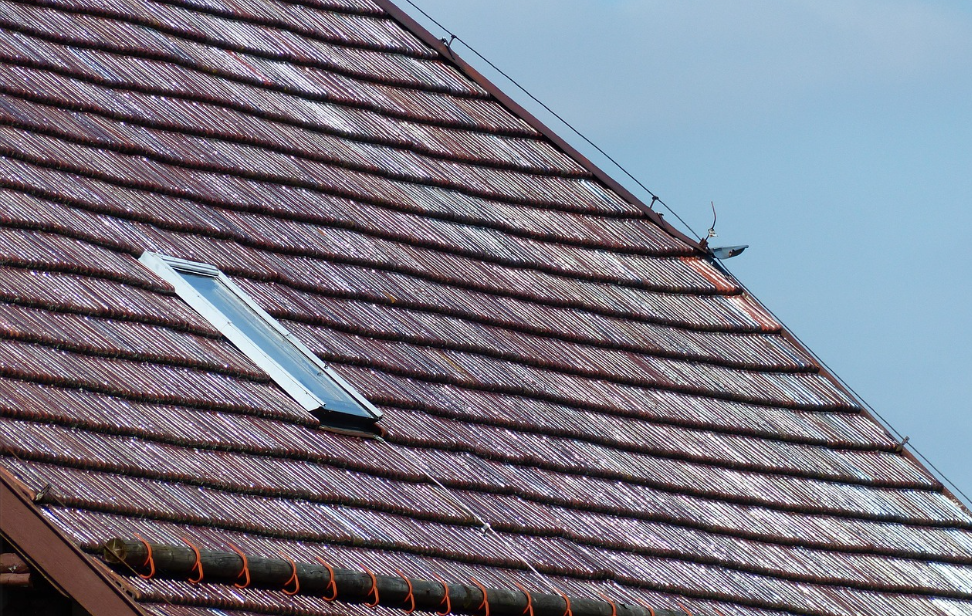
Skylights don’t last forever, even if they haven’t leaked yet. Many residential units fall somewhere between about 10 and 30 years of useful life, depending on material, quality, and exposure. Well‑made glass skylights with proper installation tend to be at the longer end of that range, while older or plastic units often age faster, becoming cloudy, brittle, or prone to seal failure.
Installation quality and roof condition matter too. A skylight that’s properly flashed into a sound roof can perform for decades; one set into a poorly detailed opening may show problems much sooner.
What Shortens Or Extends Skylight Life
Several factors influence how long your skylight lasts:
- Material: Glass usually outperforms plastic or acrylic over time
- Climate: Snow, ice, strong sun, and temperature swings stress seals and frames
- Installation: Correct flashing and integration with roofing are critical
- Maintenance: Clearing debris and checking seals slows wear and tear
Leaving leaves, ice, or standing water around the skylight curb can trap moisture and accelerate deterioration. Simple visual checks and basic roof maintenance go a long way toward protecting the unit.
How Airflow And Ventilation Help
Skylight airflow is about comfort and condensation control more than a strict “expiry date,” but it still affects performance. Venting skylights that can open allow warm, stale air to escape, improving ventilation and reducing stuffiness on upper floors. Better air movement around the skylight area helps keep humidity levels reasonable.
Less humidity and condensation on the interior side of the glass means less moisture sitting on paint, trim, and seals. Over time, this can indirectly help keep interior finishes and framing in better condition.
When To Plan For Replacement
Even if a skylight isn’t leaking, replacement becomes smart at certain points:
- When replacing the roof, so new shingles and skylights are integrated together
- After 20+ years of service, when seals and older glazing may be past their best
- When you see repeated condensation between panes or visible deterioration
Upgrading an older unit to a modern skylight does more than just refresh the look of your roof. Newer models use advanced glazing that helps control heat gain in summer and reduce heat loss in winter, so rooms feel more comfortable without your HVAC working as hard. Better seals and insulated glass also cut down on drafts and condensation, which protects interior finishes.
If you choose a venting skylight, you gain the ability to release warm, stale air at the ceiling level, improving airflow and reducing stuffiness on upper floors or in enclosed spaces like bathrooms and lofts. That natural ventilation can complement mechanical systems, making the room feel fresher with less reliance on fans.
Together, improved glazing and optional venting turn the skylight into both an energy helper and an airflow tool, rather than just a source of light.
Talk To Aluplex About Skylight Lifespan And Upgrades
If your skylight is getting older or you’re planning roof work, it’s a good time to ask whether repair or replacement makes more sense. Aluplex can evaluate your existing units, recommend modern options with better airflow and efficiency, and install skylights that are matched to your roof and your home’s needs. Reach out to Aluplex today to schedule a consultation and ensure your skylights keep your space bright, comfortable, and protected for years to come.