Aluplex Glass and Skylights

Skylights Toronto | Skylights in Toronto | Custom Skylights Toronto

  • Home
  • About Us
    • Testimonials
    • Warranty
    • Blog
  • Products
    • Skylights
    • Sukkah
      • Manually Operable Sukkah
      • Air Compressor Sukkah
    • Windows
    • Doors
    • Other
  • Services
  • Gallery
    • Residential Skylights
    • Commercial Skylights
    • Windows – Residential
    • Windows – Commercial
    • Doors – Residential
    • Doors – Commercial
  • Resources
  • FAQ
  • Contact Us
  • Review Us

Are Skylights Safe During a Storm?

May 26, 2026 By Webmaster

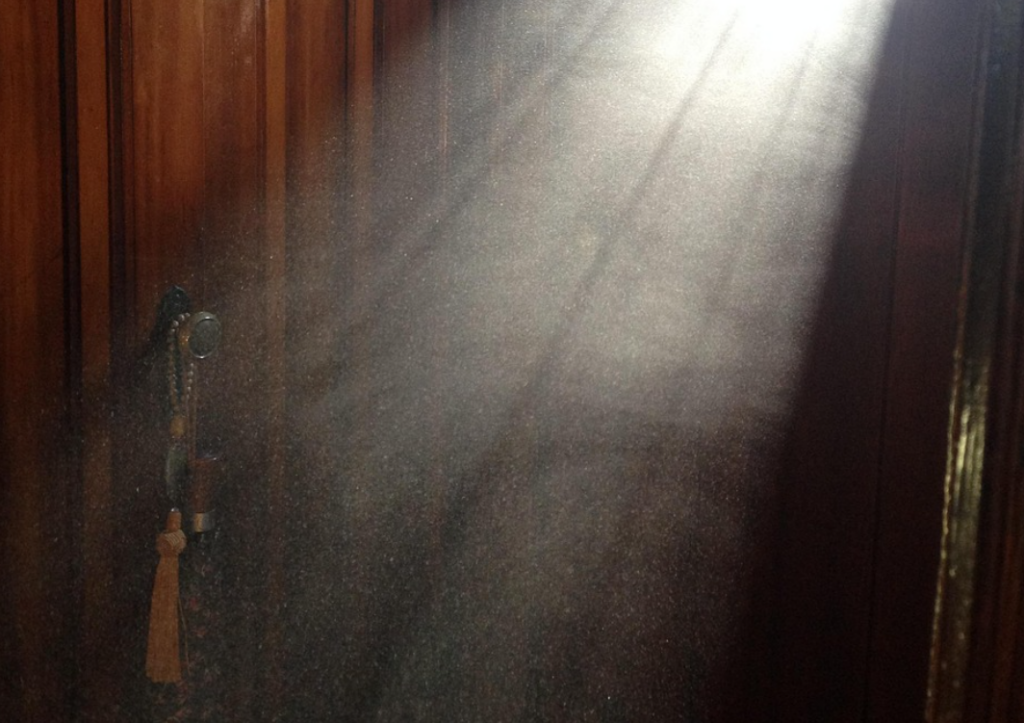
skylight toronto

Summer storms in Toronto can roll in fast, with heavy rain, strong wind, and even hail. A lot of homeowners wonder if skylights are safe during a storm, especially if they are thinking about new skylight installation Toronto contractors are offering for Summer 2026. The short answer is that a modern, properly installed skylight is designed to handle severe weather, but a few key details make all the difference.

How Modern Skylights Are Built For Storms

Today’s skylights use tempered or laminated glass rather than basic window glass. Tempered glass is heat‑treated to be stronger and, if it ever breaks, it crumbles into small pieces rather than sharp shards. Laminated glass has a plastic interlayer that holds fragments in place if the outer surface cracks.

Frames are engineered to work with the roof pitch, with integral flashing kits that move water around the skylight opening instead of letting it sit and seep in. When a unit is matched to the correct slope and installed to the manufacturer’s directions, it sheds water in much the same way as the rest of your roof.

Wind, Hail, And Impact Concerns

High winds create two main forces: pressure that pushes on the glass and uplift that tugs at the frame and flashing. Quality skylights are tested for these loads and must meet specific standards for both wind and water resistance. Proper fastening to the roof framing helps the unit stay secure when gusts hit.

Hail can still chip or crack glass if stones are large enough, but modern skylight glass is far more impact‑resistant than older acrylic domes. Many products are tested to impact standards similar to those used for windows in storm‑prone regions, which gives an extra layer of safety in harsh weather.

Biggest Risk: Poor Installation, Not The Skylight Itself

Most storm‑time leaks trace back to how the skylight was installed, not to the basic idea of having one. Common issues include:

  • Wrong flashing kit for the roof material or slope
  • Shortcuts with underlayment around the opening
  • Old skylights left in place during a re‑roof, with flashing not updated
  • Units installed too flat, allowing water to pool

When a skylight is planned as part of a roof system rather than an afterthought, these problems are much easier to avoid. This is one reason many pros suggest replacing older units when you replace the roof.

What You Can Do Before A Storm Hits

If you already have skylights, you can take a few simple steps ahead of storm season:

  • Check ceilings and walls under skylights for stains or peeling paint.
  • Look from the ground for cracked glass, damaged seals, or missing shingles nearby.
  • Clear debris (leaves, branches) that traps water on the roof around the unit.

If you see any warning signs, it’s better to have a contractor inspect and repair or replace before the next big storm, instead of waiting for a leak during heavy rain.

Are Vented Skylights Riskier In Storms?

Vented skylights are safe in storms as long as they’re closed and latched. Many newer electric or solar units have rain sensors that close them automatically when wet weather starts. This feature is especially helpful in Toronto’s fast‑changing summer conditions.

The key is to make sure seals and gaskets stay in good shape over time. Regular checks and simple maintenance keep vented units performing as well as fixed ones when storms roll through.

When A New Skylight Installation Makes Sense

If your current skylights are old, yellowed, or have leaked before, replacing them with modern units during your next roof project can improve both safety and performance. Newer designs provide:

  • Better seals and flashing systems
  • Stronger, more secure glass options
  • Improved energy performance for both summer and winter

Planning skylight installation Toronto‑style—tied in with a professional roofing job and matched to local weather patterns—gives you bright rooms without added storm worries.

Contact Aluplex Today

If you’re unsure whether your current skylights are storm‑ready, or you’re thinking about adding new ones this summer, contact Aluplex today. Their team can assess your roof, recommend the right skylight models and glass options, and handle skylight installation Toronto homeowners can trust to stand up to summer storms for years to come.

Filed Under: Blog, Skylights Tagged With: skylight, skylights

7 Brilliant Ways To Ventilate A Skylight For Cooler Summer 2026

May 26, 2026 By Webmaster

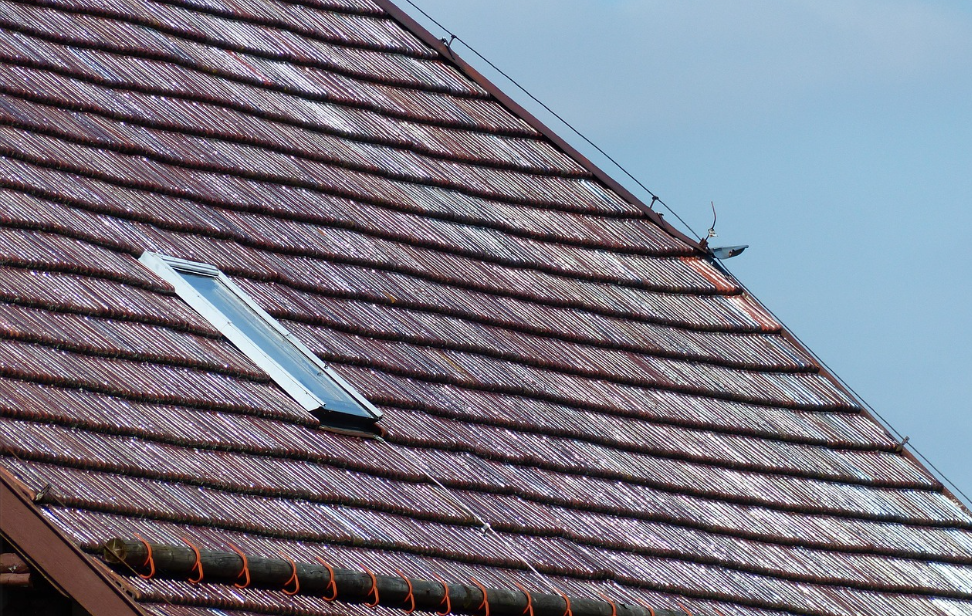
gray skylight

Summer skylights look amazing, but they can turn upstairs rooms into ovens if hot air has nowhere to go. Thoughtful skylight ventilation can help keep your home brighter and cooler at the same time, especially during long Ontario heat waves in 2026. In many cases, you do not need to rip out your skylight; you just need better air movement and shading around it.

1. Choose A Venting Skylight Instead Of A Fixed One

If you are planning a new unit or a replacement, a venting skylight is one of the most effective ways to move hot air out. A venting model opens at the top, letting built‑up warm air escape while cooler air is drawn in from lower windows.

Manual crank units work well in spots you can reach, while electric or solar models are ideal for high ceilings. In summer, you can crack the skylight open in the early morning and late evening to let heat and stuffy air drift out.

2. Add Skylight Shades Or Blinds

Direct sun through the glass can quickly heat up a room. Interior or integrated shades give you control over how much light and heat enter. Light‑filtering fabrics soften glare while still letting plenty of daylight through, and blackout options can keep bedrooms cooler through hot afternoons.

Motorized shades are especially handy for hard‑to‑reach skylights. You can close them during peak sun hours and reopen them when the sun moves, which helps balance comfort and brightness all day.

3. Use Low‑E And Tinted Glass

If you are installing or upgrading a skylight, ask for low‑emissivity (low‑E) glass. This type of glass reflects more solar heat while still letting in natural light. Subtle tints can also cut down on harsh glare without making the room feel dark.

Better glass not only limits heat gain in summer but also helps hold warmth in winter. Over time, this can reduce how hard your HVAC system has to work through Ontario’s temperature swings.

4. Combine Skylights With Ceiling Fans

A ceiling fan under a skylight helps mix air in the room and push hot air up toward the opening when the vent is cracked. When the fan runs in the correct direction for summer (usually counter‑clockwise), it creates a gentle breeze that makes the space feel cooler.

If the skylight is fixed and cannot open, the fan still helps break up hot layers near the ceiling. That makes your air‑conditioning more effective and reduces hot pockets around lofts and stair tops.

5. Improve Attic Ventilation Around The Skylight

The space around your skylight in the roof cavity should also breathe. Good attic ventilation—via soffit vents, ridge vents, or roof vents—helps reduce overall roof temperature. A cooler roof surface leads to less heat radiating through the skylight frame and shaft into your room.

If the attic is poorly vented, heat can build up above the skylight and leak down, even if the glass itself is well‑designed. Checking vents, adding baffles, and clearing blockages can make a noticeable difference in top‑floor comfort.

6. Seal And Insulate The Skylight Shaft

Warm air sneaks in not just through the glass, but through gaps and poorly insulated shafts. The drywall “tunnel” from the roof to the ceiling should be well sealed at all joints and insulated on the outside.

When the shaft is tight and insulated, it acts like a controlled light channel rather than a hot chimney. This helps keep cool, conditioned air where you want it and reduces drafts or hot streaks around the opening.

7. Use Cross‑Ventilation With Lower Windows

Skylight ventilation works best when paired with open windows on lower levels. The difference in height sets up a natural stack effect: cool air comes in down low, warm air rises and exits through the skylight.

On summer evenings, open lower windows on the shaded side of the house and the venting skylight above. This can flush out heat that built up during the day and leave the house feeling fresher by bedtime, often with less need for air‑conditioning.

Contact Aluplex Today

If your skylights look great but leave rooms stuffy and hot in summer, it may be time to look at better ventilation options. Contact Aluplex today to discuss venting skylight models, glass choices, and shade solutions that can help keep your Ontario home bright and significantly cooler through Summer 2026.

Filed Under: Blog, Skylights, Uncategorised Tagged With: skylight toronto, skylights

What Are The Three Types Of Skylights?

April 30, 2026 By Webmaster

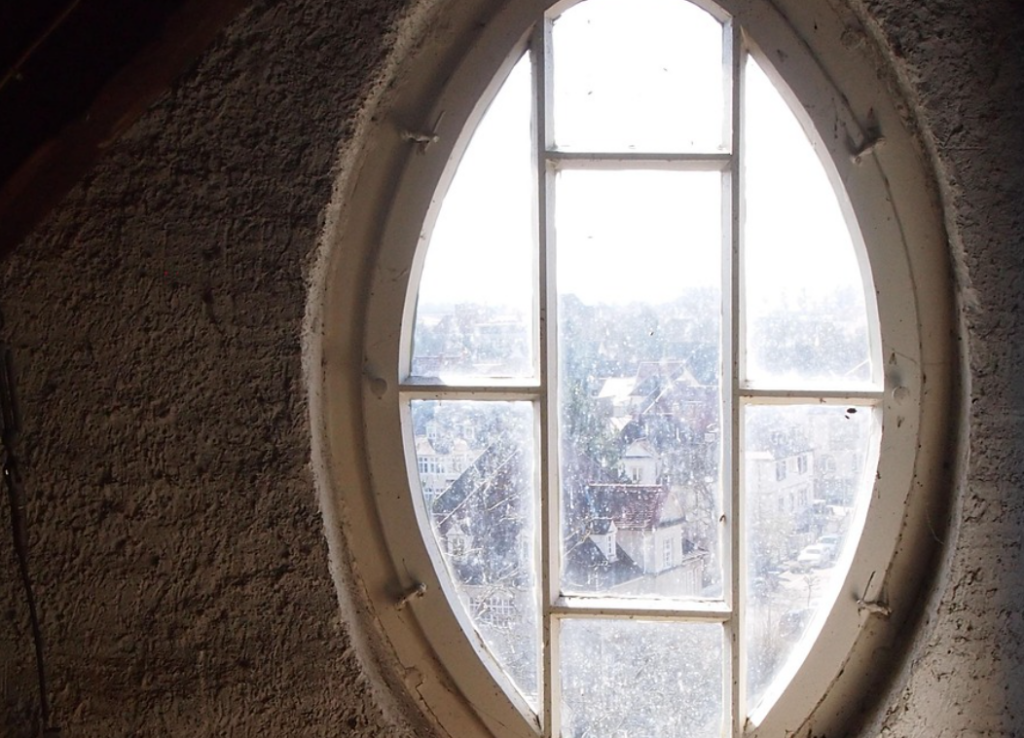
tree skylight room

Spring 2026 feels like the right time to rethink dark rooms in your home. A Toronto skylight can turn a dull hall or loft into a space that feels bright and calm all day. Many GTA owners hear that there are “three main types” of units, yet the details can feel hazy.

Fixed Units For Pure Daylight

The first core type is a fixed model. A fixed Toronto skylight stays shut, with no vent or crank, and its main job is to pull in soft light from above. This style works well in spots where you do not need fresh air, such as tall stair wells, deep halls, and some main rooms with other windows.

Fixed units tend to cost less than venting styles and have fewer parts to wear out. That makes them a good pick when you want steady light with low fuss. Place them where you can see sky, not just roof, for the best feel.

Venting Units For Fresh Air

The second big type is the venting unit. A venting Toronto skylight opens to let hot, stale air move out and fresh air slip in. These units can use a hand crank, a pole, or a push button with a small motor.

They shine in stuffy rooms near the roof: loft beds, home work areas, and baths on the top floor. In spring and summer, warm air that pools near the ceiling can rise and leave by the vent. That helps cut heat build up and can ease the load on your AC.

Tube Units For Tight Spots

The third main type is the tube unit. A tube Toronto skylight uses a small roof dome and a shiny tube to pipe light down into tight or low rooms. At the end, a round lens spreads that light out across the ceiling.

Tube units slip into spots where a full frame will not fit, such as narrow halls, small baths, or deep walk‑in closets. They bring a shock of light with a small cut in the roof, which helps both cost and roof life.

How To Pick The Right Type For Each Room

Think less about the roof and more about how you use the room day to day. Ask three key things:

  • Do you need air flow, or just light?
  • Is the room large or snug?
  • Do you want a view of the sky, or just brightness?

If you want real sky views in a main room, a fixed or venting frame makes sense. For a tiny hall that only needs light, a tube unit is often enough. In a steamy top bath, a venting frame helps clear damp air far more than a fixed pane.

Plan For Light Control And Glare

Any type can gain shades or low tint glass. In Toronto, where summer sun can feel harsh, this helps keep rooms pleasant. Light filters and fabric shades soften mid day beams while still letting rooms feel open.

Think about the path of the sun as well. A unit on a south slope may need more shade options than one on the north side, which gets more even light. A quick roof check in spring 2026 can help you and your installer map this out.

Work With Pros Who Know Local Roofs

Toronto roofs range from flat row homes to steep front peaks. That mix calls for a crew that knows local rain, snow, and wind and how they act on each slope. Good install work with sound flashing is just as vital as the type you pick.

Call Aluplex

If you are not sure which of the three types fits your home, reach out to Aluplex for a spring 2026 roof and light review. The team can walk your Toronto rooms, study your roof, and guide you toward the right Toronto skylight style for each space so you gain light, air, and long roof life.

Filed Under: Blog, Skylights Tagged With: skylight, skylights

What is the Most Typical Skylight Problem?

April 27, 2026 By Webmaster

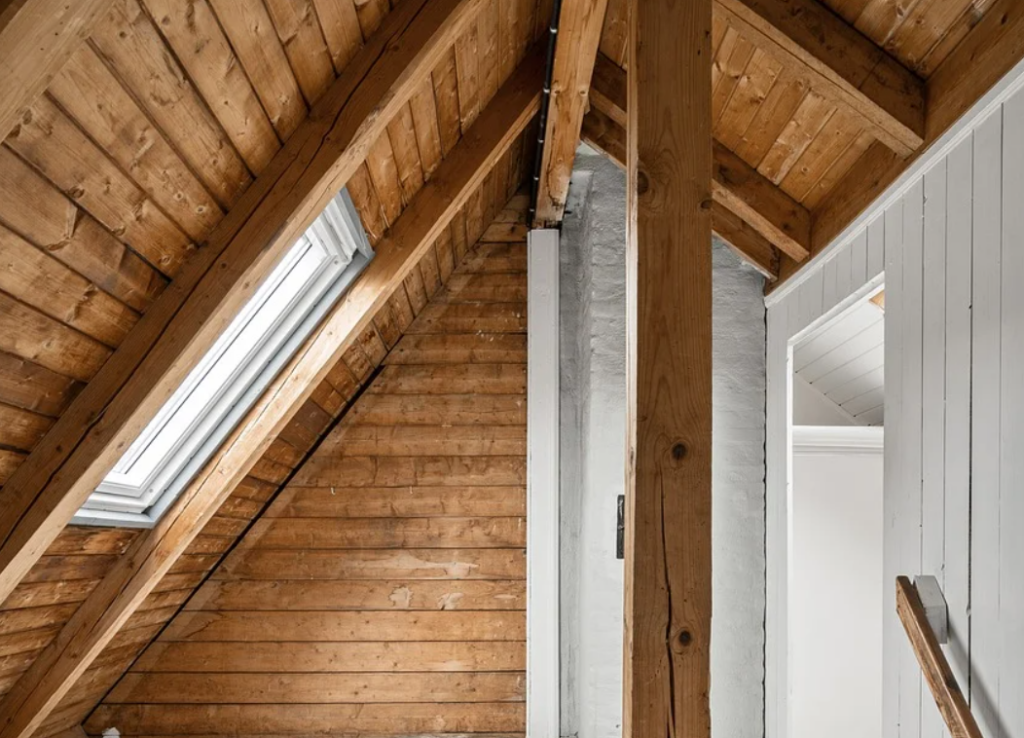
Ontario skylight

Spring 2026 in Toronto brings wild shifts from cold rain to warm sun. Good ventilating design around your skylight keeps those swings from turning into drips, fog, or stale air up near the ceiling. When air does not move well, small flaws grow into the most typical skylight problem many owners face.

The Real Problem Hiding Behind “Leaks”

Most people think “leak” and blame the glass. In many homes, the core issue is poor ventilating of warm, damp indoor air around the unit. When moist air rises and hits the cool skylight frame or glass, it turns into beads of water that drip down the shaft.

That drip looks just like rain seepage. Yet often the roof and flashing sit in good shape. The water you see comes from inside the room, not from clouds above. This mix of trapped damp air and cool glass is the classic skylight headache.

How Toronto Weather Makes It Worse

The GTA has sharp swings in temp and humidity. Cold nights and warm rooms set up a strong clash at the glass. Long, wet springs and muggy summers feed more moisture into the air.

In winter and early spring, closed windows keep fresh air out. Showers, cooking, and laundry all add vapor. That air climbs up stair wells and shafts and heads right for the highest glass pane in the house.

Signs You Face This Common Skylight Issue

You may spot clues long before you see water on the floor:

  • Fog or haze that clings to the glass in cool months
  • Dark streaks on the shaft paint or trim
  • Peeling tape or soft drywall near the frame
  • Musty smell in the loft or upper hall

Left alone, this damp patch can lead to surface mold, weak trim, and ugly stains. Many owners wipe the glass yet miss the root cause, so the issue comes back next season.

Simple Airflow Fixes That Help Right Away

The fix often starts with basic air moves, not big roof work. Fans in baths and kitchens need to vent outdoors, not into the attic. Short “air flush” times each day, with windows open, help clear built up damp air in spring and fall.

On cool days, a ceiling fan set to lift air up can push warm air toward the skylight and mix the room more evenly. That cuts the cold touch on the glass. In a loft, a small floor fan aimed up the shaft can keep that space from turning into a still, damp pocket.

Why Shaft Insulation And Seals Matter

The tunnel from room to roof should act like a snug coat, not a cold chute. Thin or patchy insulation around the shaft makes the inner wall very cold. That draws more moisture and raises the risk of water marks.

Sealing gaps where air sneaks behind the boards helps a lot. Tape, foam, and snug trim keep warm room air on the right side of the barrier. Paired with better shaft insulation, this step cuts down on the cold spots that spark drip.

When A Skylight Upgrade Makes Sense

If the unit is old, fogs between panes, or has clear frame wear, a new model can pay off. Modern units use better glass, warmer edge seals, and smarter vent paths. That helps with both comfort and long term roof health.

A new venting unit in place of a fixed one can also give you more control. On mild days in spring 2026, you can crack it open and let hot, damp air drift out, which keeps the upper floor more calm and dry.

Call Aluplex

If your skylight shows fog, drip, or stains this year, reach out to Aluplex for a spring 2026 review. The team can check airflow, shaft build, and unit age, then guide you on repair or upgrade steps so that simple ventilating tweaks solve the most typical skylight problem before it harms your home. When drifts into rooms below.

A well placed skylight with the right glass lets light in while smart design limits harsh gain in peak hours. With venting units, you can also let trapped hot air rise and slip out, which keeps top floor rooms from feeling like a loft oven in June.

That mix of light and venting often works better than fans alone. You gain soft daylight that cuts the need for lamps, while warm, stale air has a clear exit path. Kids’ rooms, loft offices, and bonus spaces near the roof all feel more livable once that hot cap has a way out.

Filed Under: Blog, Skylights Tagged With: skylight, skylight toronto, skylights

How Arctic Storms Steal Your Sunlight

December 28, 2025 By Webmaster

snow blocks light. need natural light home upgrade

Toronto winters feel darker than they actually are. You need natural light home upgrades to combat seasonal gloom and boost your mood. Many homes lose brightness during short December days. Simple changes make dramatic differences in how spaces feel.

Why Darkness Hurts

Your home should feel bright and welcoming. Strategic natural light home upgrades transform dim rooms into cheerful spaces that energize you. Winter blues hit harder in poorly lit areas. Your family deserves better than gloomy corners.

Windows Tell The Story

Dirty glass blocks more light than you realize. Clean windows inside and out monthly during winter. Remove heavy drapes that trap darkness inside. Replace them with sheer options that filter gently. Trim bushes blocking window access outside. Every obstruction costs you precious lumens.

Paint Works Magic

Light colors bounce sunshine around effectively. White or cream walls reflect rather than absorb. Dark paint swallows what little brightness enters. Switch to pale tones in key rooms. Ceilings painted bright white multiply effects. Glossy finishes work better than flat options.

Mirror Placement Multiplies Brightness

Position large mirrors opposite window sources. This doubles available light instantly through reflection. Group smaller mirrors for similar results. Avoid placing mirrors where they create glare. Strategic spots amplify winter sunshine perfectly. Metal frames add extra reflective surfaces.

Skylight Solutions Deliver Results

Roof windows are an excellent choice for enhancing the natural light in your home, delivering sunlight from above in a way that truly transforms the atmosphere of a room. Studies show that they can outperform traditional wall windows by an impressive three times, allowing more light to fill your space and making even the darkest of areas feel inviting and bright.

The modern options available today have advanced features such as remote controls and built-in sensors, making them incredibly user-friendly. You can open and close them easily with a simple touch or an app on your phone, which is particularly convenient when you want to let fresh air in or control the temperature of a room.

Many homeowners are surprised to learn that the installation process for roof windows is quicker and simpler than they anticipated. This makes it a feasible home improvement project, even for those who might be busy with other renovations.

Taking on a winter project to install roof windows not only prepares your home for the increased enjoyment of the spring and summer months, but it also adds significant aesthetic and functional value.

This upgrade is especially beneficial for darker areas like hallways or bathrooms, where natural light can make all the difference. Consider adding roof windows to elevate your home’s ambiance and overall appeal.

Remove Light Blockers Immediately

Overstuffed furniture crowding windows must go. Tall plants blocking south-facing glass get relocated. Unnecessary window film reducing clarity should be removed. Heavy valances stealing top inches need replacement. Cluttered sills preventing reflection require clearing.

Smart Glass Technology Arrives

New windows adjust tint based on conditions. They stay clear when you need brightness. Darkness mode activates for privacy or glare. These systems learn your habits over time. Prices dropped significantly for 2026 installations.

Tube Lights Reach Impossible Spots

Closets and interior rooms lack window access. Solar tubes channel rooftop brightness down through reflective tunnels. They work even on cloudy days surprisingly well. Install several for consistent interior illumination. No electricity needed for daytime operation.

Make 2026 Your Brightest Year

Start planning upgrades during holiday downtime. Compare options and timeline availability carefully. Book popular installers before spring rush begins. Small changes create big impacts on daily life.

Your home should nurture and energize you. Darkness steals wellness from your family gradually. Fight back with smart upgrades this winter. Toronto homes need extra help during short days. Reclaim the sunshine you deserve right now. Brighter spaces mean happier people living there.

Filed Under: Blog, Skylights Tagged With: skylight toronto, skylights, winterize

7 Curious Skylight Mistakes Toronto Homeowners Make

November 28, 2025 By Webmaster

Toronto’s winter brings brutal cold that tests every part of your home. Many homes make critical errors with skylights that let heat escape and water seep in when skylight installation Toronto gets done wrong. Over eighty percent of skylight problems in the area come from poor install work, not from product flaws.​

Common Setup Errors That Drain Your Bank

The roof opening is one of the toughest places to seal. When your skylight goes in, gaps form around the edges. Water finds those gaps and begins its path toward your ceiling, walls, and framing below. The fix seems simple but most people overlook it.​

Mistake #1: Picking the Wrong Type for Your Climate

Not all skylights work the same in Toronto’s freeze-thaw world. Fixed models stay sealed while vented ones open for air flow. Vented units cost more but help with moisture in kitchens and baths. Fixed types use less energy and stop drafts better.​

The catch? Toronto’s brutal swings from below minus-eighteen to above zero create stress that cheap models cannot handle. Poor-quality frames crack and seals fail. You need models rated for Zone three with U-factors of two point two or lower. That spec matters more than you’d think during Toronto’s freeze-thaw cycles.​

Mistake #2: Bad Flashing Work

Flashing is the metal or rubber seal around your skylight’s edge. Most leaks happen because flashing gets installed wrong, not because skylights are flawed. The flashing must tuck under shingles, not over them.​

Installers often rush this step. They skip the layering that stops water from flowing upward. Ice dams that pile up around skylights in spring can tear through poor flashing. High-quality materials matter too—cheap sealants break down in cold weather.​

Mistake #3: Wrong Size or Spot

Skylights wider than four feet or longer than six feet can weaken roof strength. Roof trusses must be cut and braced, adding cost and risk. Some roofs lack the bracing strength to support bigger units.​

Placement matters as much as size. Spot the skylight where water drains smoothly, not where dams form. North-facing skylights bring soft light but miss the sun. South-facing units get heat, which can boost summer bills. Avoid placing them above beds or over spots where glare bothers you.​

Mistake #4: Missing Vapor Barriers and Seals

Warm, wet air rises and hits your chilly skylight. Moisture condenses into drips. This happens more in Toronto’s tight new homes where moisture gets trapped. The glass becomes a water collector, not a light source.​

Old or broken seals let indoor humidity sneak into wall cavities. Foam or rubber strips around your skylight frame should form a tight wall. Many installs skip this step or use cheap seals that harden and crack.​

Mistake #5: Ignoring Building Codes and Permits

Some installers skip permits to save time and cost. This creates big problems when you sell your home—the deal can fall through. Your insurance may deny claims if work was done without permits.​

Codes exist for safety. They ensure skylights won’t compromise roof strength or let in water. Manufacturer specs must be met too—curb height, seal layers, and bolt spacing all matter.​

Mistake #6: Poor Placement Near Roof Trusses

Roof trusses carry the weight of your home. Cutting through them without proper bracing can lead to sagging or collapse. Some installs ignore truss placement entirely. A roofer must map truss spots before cutting any holes.​

Structural damage spreads fast. Sagging allows water to pool. Mold grows in damp wood. Pests move in to rotted framing. What started as one skylight can become a fifty-thousand-dollar repair bill.​

Mistake #7: Skipping Professional Install

DIY attempts or hiring cheap contractors lead to most problems. Proper setup requires roof knowledge, flashing skill, and building code smarts. One mistake early costs ten times more to fix later.​

Pro teams in Toronto carry warranties that cover leaks for ten years. They pull the right permits and use quality gear. They know how to work around trusses and handle ice dam risks.​

Quick Facts About Skylight Issues

  • Toronto winter temps drop to minus eighteen, causing stress on poor installs​
  • Over eighty percent of skylight leaks trace back to setup errors, not products​
  • Fixed skylights cost less but vented ones aid moisture control​
  • U-factors should be two point two or lower for your climate zone​
  • Flashing must tuck under shingles to stop water from rising​
  • Sizes wider than four feet can compromise roof strength​
  • Permits and codes protect your home and resale value​

Making the Smart Choice: Contact Us Today

A quality skylight brings real value. Natural light lifts mood. Vented units help clear cooking steam and shower heat. But only if install goes right. Toronto’s climate demands precision work.​

Before signing any contract, ask for these details: Are they getting permits? Will they map roof trusses? Do they use high-grade flashing? What warranty comes with the work? Can they point to Toronto homes they’ve done? A pro will answer all these questions without hesitation.​

Rushing into a cheap install to save money is one mistake that will cost you far more than quality work upfront. Your roof is your home’s biggest defense against Toronto’s brutal winters. Don’t let a skylight be its weak spot.

woman stressed because of poor skylight installation Toronto

Filed Under: Blog, Skylights Tagged With: skylight, skylight installation, skylight toronto

  • 1
  • 2
  • 3
  • …
  • 8
  • Next Page »

Contact Us

Visit Our Galleries


34 Martin Ross Avenue, Toronto, ON M3J 2K8 | tel: (416) 665-4482 | fax: (416) 665-2826 | toll free: 1-877-ALUPLEX (258-7539)

© 2026 Aluplex Skylights. All rights reserved |

Website created by Blue Ocean Marketing Inc, Digital Advertising Agency Toronto.