Aluplex Glass and Skylights

Skylights Toronto | Skylights in Toronto | Custom Skylights Toronto

  • Home
  • About Us
    • Testimonials
    • Warranty
    • Blog
  • Products
    • Skylights
    • Sukkah
      • Manually Operable Sukkah
      • Air Compressor Sukkah
    • Windows
    • Doors
    • Other
  • Services
  • Gallery
    • Residential Skylights
    • Commercial Skylights
    • Windows – Residential
    • Windows – Commercial
    • Doors – Residential
    • Doors – Commercial
  • Resources
  • FAQ
  • Contact Us
  • Review Us

Is Skylight Condensation a Leak? 5 Telltale Clues

September 23, 2026 By Webmaster

skylight condensation

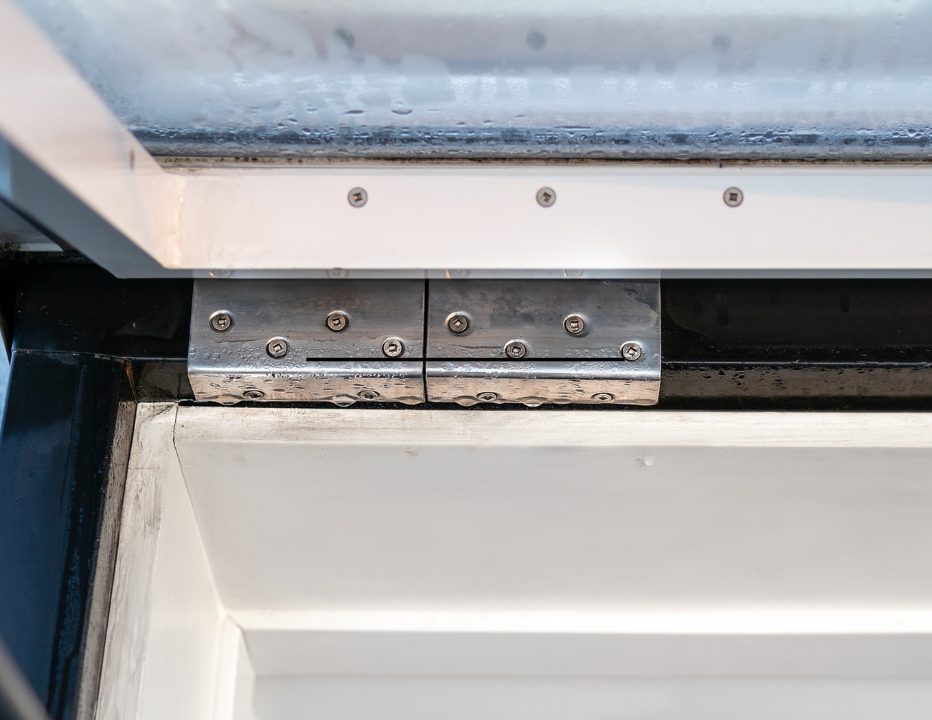
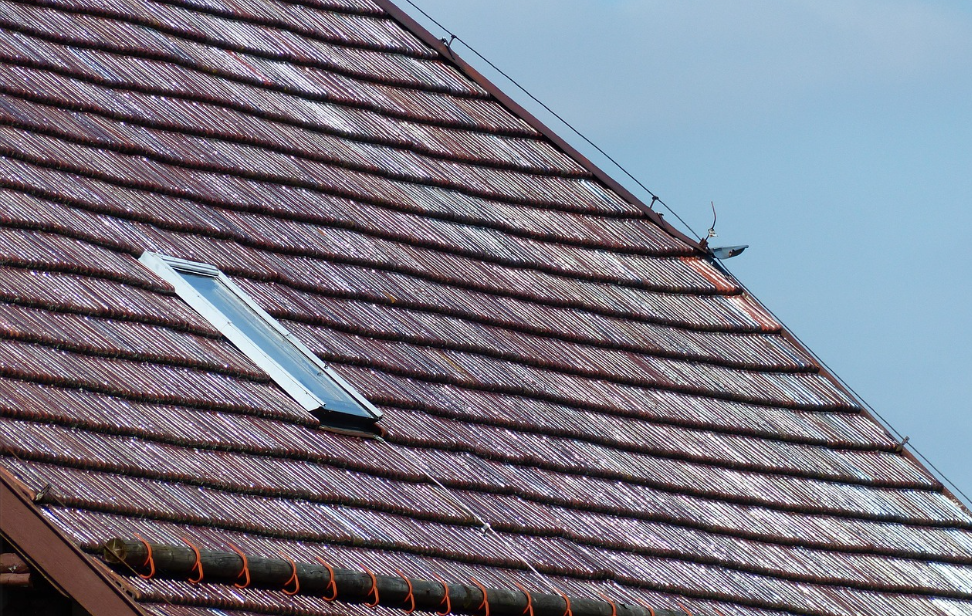
Water on a skylight does not always mean rain got through the roof. Skylight condensation forms when damp indoor air meets cold glass or a cold frame; a leak brings water in from outdoors. Both can harm paint, trim, and drywall, so it pays to find the source rather than wipe up the drip and hope it stops.

1. Check When the Water Shows Up

The first clue is timing. Skylight condensation may form on a cold, dry day, while a roof leak is more apt to show up as rain falls or snow starts to melt.

Think back to what took place in the home. Did the glass fog up after a shower, a long cook time, or a load of wet gear came indoors? Damp air rises, and a cold pane can turn that air into drops of water.

Keep a brief log for a week:

  • Note when the drops start and when they dry.
  • Note if rain, snow, or a thaw took place.
  • Take a photo before you wipe the water away.
  • Mark any link to baths, meals, or lots of guests.

A clear pattern can help trace the source. Water that shows up only in cold, dry weather may point to indoor air. Water that starts with each storm calls for a roof check.

2. See Where the Water Sits

Look at the pane from inside the room. Drops spread over the glass or frame may come from damp air in the room. If you can reach the pane with no risk, wipe a small spot dry and watch to see if the drops come back.

Fog that stays put when you wipe the room side may sit between the panes. That can mean a seal in the glass has worn out. A failed glass seal does not prove that rain has got into the roof, but it does need a closer look.

Do not climb onto the roof to test the outer glass. A safe check from the room side gives you clues; a pro can check the parts you cannot reach.

3. Trace the First Wet Spot

Water can run down a frame and pool on the sill. It can also move along wood or drywall before you see a stain. For that reason, the spot where water lands may not be the spot where the fault began.

Look for these signs:

  • Drops that form on the pane and run to the sill.
  • A stain that starts at the top of the light shaft.
  • Soft trim or paint that peels near one corner.
  • A mark that grows after each storm.

A stain beyond the frame needs a prompt check. It may point to a roof or flash fault, though damp air in the shaft can leave a mark there too. Do not paint over the stain until you know why it formed.

4. Look for Damp Air Elsewhere

A wet skylight may be one sign of damp air in the home. Check nearby glass, cold walls, and other rooms. If more than one pane beads up on cold days, the air in the home may need more flow.

Use bath fans when you shower and a range hood that vents outdoors when you cook. Let room air reach the skylight; a blind shut tight for long spans may leave the glass cold and still. Wipe up drops so they do not soak the frame or trim.

Less drip after better air flow is a useful clue, not a final test. A home can have damp indoor air and a roof leak at the same time. If stains keep on grow­ing, book a site check.

5. Watch for a Pattern That Gets Worse

One foggy pane on a cold day is not the same as a new brown stain each time it rains. Check whether the wet area grows, how long it stays damp, and if the wood feels soft. A stale smell near the shaft may also point to water that has sat too long.

Do not pack fresh caulk over a seam as a first fix. That may hide the route water takes and make the true fault hard to find. A pro can check the glass, seals, frame, flash, and roof area as one set of parts.

The right fix starts with the right cause. A worn glass seal, a wet light shaft, and a roof leak call for quite different work.

To learn more about unit types and repair work, see Aluplex’s skylight page. Its FAQ also has tips on foggy glass, seals, and care.

If you have drips, fog set deep in the pane, or a stain that will not dry, ask Aluplex to take a look. Share your photos and notes on when the water shows up. The team can check the unit and the roof area near it, then talk you through the next step. Book a site visit before a small wet patch turns into a much larger task.
Filed Under: Blog, Skylights Tagged With: skylights

Beat Stale Rooms With This Brilliant Ceiling Upgrade

August 31, 2026 By Webmaster

skylight toronto

Stuffy rooms drag down mood and focus fast. A simple fix for that stale air problem comes in the form of fresh air skylights built right into your roof.

Why Rooms Get Stale in the First Place

Rooms with few windows or low airflow trap heat, moisture, and odors. Over time, that stuck air can feel heavy and hard to shake off.

A few common causes of stale air:

  • Rooms far from outer walls with no window
  • Closed floor plans that block cross breeze
  • High use spaces like kitchens or gyms
  • Homes with tight seals that trap heat in

Adding fresh air skylights gives stuck air a real path out, while also letting in natural light from above.

The Link Between Light and Mood

Natural light does more than brighten a room. Studies on office and home spaces link daylight to better focus, lower stress, and steadier sleep cycles. People who work near real light tend to feel less tired by mid-day. Even short bursts of sky light can lift mood and sharpen the mind during a long shift.

Rooms lit only by bulbs often feel flat, even at noon. A roof vent that lets in real sky light changes that feel almost right away.

How These Roof Vents Work

Unlike a fixed glass panel, this style of skylight can open like a hatch. Fresh air moves in while warm, stale air rises and exits through the gap.

Key parts of a good unit:

  • A vent frame that opens by hand or remote
  • A seal that closes tight when shut
  • Screens to block bugs while open
  • Flashing that keeps rain out even when vented

Many models pair a remote control with a rain sensor, so the vent shuts on its own if a storm rolls in.

Best Rooms for This Upgrade

Not every room needs one, but some spaces gain the most from added light and airflow. Think about these spots first:

  • Kitchens, where cooking builds up heat and smell
  • Bathrooms, where steam and damp air linger
  • Home gyms or hobby rooms with heavy use
  • Attics turned into living space with poor airflow

Adding one vent to a room used often can shift how that space feels day to day.

Cost and Energy Trade-Offs

Homes with steady airflow rely less on air units running non-stop through hot months. Over a year, that lower load can shave real money off your power bill. Some owners see the price gap close within a few seasons. Others take longer, based on climate, room size, and how often the vent stays open.

In cold months, closed seals keep heat from slipping out. Look for units with double or triple glass layers to cut heat loss even further.

What to Ask Before You Buy

Before you pick a model, ask a few sharp questions:

  • Does it open by hand, crank, or remote?
  • What is the seal rating for wind and rain?
  • How thick is the glass, and what is its heat rating?
  • Does the warranty cover both glass and frame?

A clear answer to each shows you are working with a team that knows their product well.

If your rooms feel closed in or heavy with old air, a vented roof window might be the fix you have been missing. Aluplex builds and fits these roof vents across homes and buildings, matching each unit to the room it serves. Talk to Aluplex about which model fits your space and start breathing easier at home.

Filed Under: Blog, Skylights Tagged With: skylight repair, skylights

How Many Years Do Skylights Last?

July 31, 2026 By Webmaster

skylight toronto

Skylights don’t last forever, even if they haven’t leaked yet. Many residential units fall somewhere between about 10 and 30 years of useful life, depending on material, quality, and exposure. Well‑made glass skylights with proper installation tend to be at the longer end of that range, while older or plastic units often age faster, becoming cloudy, brittle, or prone to seal failure.

Installation quality and roof condition matter too. A skylight that’s properly flashed into a sound roof can perform for decades; one set into a poorly detailed opening may show problems much sooner.

What Shortens Or Extends Skylight Life

Several factors influence how long your skylight lasts:

  • Material: Glass usually outperforms plastic or acrylic over time
  • Climate: Snow, ice, strong sun, and temperature swings stress seals and frames
  • Installation: Correct flashing and integration with roofing are critical
  • Maintenance: Clearing debris and checking seals slows wear and tear

Leaving leaves, ice, or standing water around the skylight curb can trap moisture and accelerate deterioration. Simple visual checks and basic roof maintenance go a long way toward protecting the unit.

How Airflow And Ventilation Help

Skylight airflow is about comfort and condensation control more than a strict “expiry date,” but it still affects performance. Venting skylights that can open allow warm, stale air to escape, improving ventilation and reducing stuffiness on upper floors. Better air movement around the skylight area helps keep humidity levels reasonable.

Less humidity and condensation on the interior side of the glass means less moisture sitting on paint, trim, and seals. Over time, this can indirectly help keep interior finishes and framing in better condition.

When To Plan For Replacement

Even if a skylight isn’t leaking, replacement becomes smart at certain points:

  • When replacing the roof, so new shingles and skylights are integrated together
  • After 20+ years of service, when seals and older glazing may be past their best
  • When you see repeated condensation between panes or visible deterioration

Upgrading an older unit to a modern skylight does more than just refresh the look of your roof. Newer models use advanced glazing that helps control heat gain in summer and reduce heat loss in winter, so rooms feel more comfortable without your HVAC working as hard. Better seals and insulated glass also cut down on drafts and condensation, which protects interior finishes.

If you choose a venting skylight, you gain the ability to release warm, stale air at the ceiling level, improving airflow and reducing stuffiness on upper floors or in enclosed spaces like bathrooms and lofts. That natural ventilation can complement mechanical systems, making the room feel fresher with less reliance on fans.

Together, improved glazing and optional venting turn the skylight into both an energy helper and an airflow tool, rather than just a source of light.

Talk To Aluplex About Skylight Lifespan And Upgrades

If your skylight is getting older or you’re planning roof work, it’s a good time to ask whether repair or replacement makes more sense. Aluplex can evaluate your existing units, recommend modern options with better airflow and efficiency, and install skylights that are matched to your roof and your home’s needs. Reach out to Aluplex today to schedule a consultation and ensure your skylights keep your space bright, comfortable, and protected for years to come.

Filed Under: Blog, Skylights Tagged With: skylight, skylight toronto, skylights

Will My Skylight Leak?

July 28, 2026 By Webmaster

skylight repair

Most modern skylights are designed as part of a watertight roofing system, not as “holes waiting to leak.” When a qualified installer sets them in place, uses the correct flashing kit, and ties everything into the shingles or other roofing material according to manufacturer instructions, they can stay dry for many years.

Ongoing care—like keeping debris away from the curb and watching for damage after storms—helps that performance continue. When leaks do appear, the skylight itself is usually not the root cause.

More often, aging rubber seals lose flexibility, glazing cracks or separates, flashing was done poorly or has been disturbed, or the surrounding roof has developed problems that let water travel toward the opening. In other words, skylights tend to leak because something around them has failed, not because the basic idea of having a skylight is flawed.

If your skylight is newer, properly installed, and the roof is in good shape, it should stay dry inside. Older units, bargain models, or skylights that have been surrounded by repeated patching are more likely to let water in, especially during heavy rain or snow melt.

Common Signs Your Skylight Needs Attention

Early leak signs are often subtle. You might notice:

  • Stains or damp spots on the ceiling below the skylight
  • Drips at corners or edges during storms
  • Condensation trapped between glass layers

Stains and drips suggest water getting past flashing or seals. Fogging between panes points to failed glass seals. Ignoring these small warnings can lead to damaged drywall, insulation, and framing over time, so they’re worth checking out promptly.

What Skylight Repair Usually Involves

Skylight repair focuses on wherever water is getting in. Typical professional fixes include:

  • Re-sealing joints between the glass and frame
  • Replacing hardened or crumbling gaskets and seal strips
  • Reworking flashing around the skylight curb
  • Addressing roof issues (shingles, underlayment) immediately around the unit

Quick DIY caulking over old material often hides the problem temporarily instead of solving it. Proper repair starts by removing failed patches, cleaning surfaces, then applying new, compatible flashing and sealants so water is redirected correctly.

When Repair Isn’t Enough

At a certain age, repair stops being the best answer. Many skylights are in their “normal” lifespan somewhere in the 10–30 year range, with plastic units typically on the shorter side and high‑quality glass units lasting longer. If your skylight is decades old—especially if you’re replacing the roof anyway—full replacement is often more cost‑effective than chasing leaks year after year.

Replacing the skylight with the roof also helps ensure the two are integrated properly, which reduces future sealing problems and disruption.

Why Call Aluplex For Skylight Repair And Advice

If you’re seeing stains, drips, or fogging around your skylight, don’t wait for the next storm to test it. Aluplex can inspect the skylight, flashing, and surrounding roof, then explain clearly whether you need targeted repair or full replacement.

Their skylight specialists handle leaks, upgrades, and new installs across the GTA. Contact Aluplex today to book an assessment and keep your home bright—without worrying about water coming in.

Filed Under: Blog, Skylights Tagged With: skylight, skylight toronto, skylights

5 Smarter Skylight Upgrades Toronto Roofers Recommend

June 30, 2026 By Webmaster

Many Toronto homeowners inherit old skylights that are foggy, drafty, or starting to leak. Replacing them is a chance not just to fix a problem, but to upgrade light, comfort, and energy performance. Modern skylights are safer, more efficient, and more versatile than older units, and roofers who work with them regularly tend to recommend a few key improvements.

1. Choose Energy Efficient Glazing

One of the most impactful upgrades is better glass. New skylights often come with:

  • Double or triple glazing to reduce heat loss in winter
  • Low‑E coatings that cut summer heat gain while still letting in plenty of light
  • Argon gas fills between panes to further improve insulation

For Toronto’s mix of cold winters and warm summers, upgrading to energy efficient glazing can reduce drafts and hot spots and help keep indoor temperatures more stable year‑round.

2. Switch From Fixed To Vented Units Where It Makes Sense

If your existing skylight is fixed and the room often feels stuffy, replacing it with a vented unit can improve comfort. As discussed earlier, vented skylights allow hot air to escape and fresh air to enter, which is especially useful in:

  • Top floor bedrooms
  • Finished attic spaces
  • Stairwells and upper hallways

Roofers will usually look at your roof pitch, interior layout, and access to determine whether a manual, electric, or solar powered vented skylight is the best choice during replacement.

3. Add Built‑In Sun Control

Harsh sunlight can fade finishes and make rooms uncomfortably bright. Many modern skylight systems offer integrated options to soften or control light, such as:

  • Factory‑fitted blinds or shades that can be manual or powered
  • Tinted or diffused glazing that reduces glare while still allowing daylight
  • Light diffusing glass that spreads light evenly instead of in sharp beams

Including sun control at replacement time helps you enjoy natural light without dealing with the “spotlight” effect or excessive heat on sunny days.

4. Improve Flashing And Roof Integration

Older skylights may have been installed with basic or improvised flashing details that are now breaking down. When replacing a skylight, roofers typically:

  • Use manufacturer‑specific flashing kits designed for your roof type
  • Repair or replace surrounding shingles or roofing panels for a clean tie‑in
  • Check roof deck condition around the opening and reinforce as needed

This upgrade is less visible to homeowners but makes a big difference in long term leak resistance and overall roof performance.

5. Right‑Size And Reposition For Better Light

Many existing skylights are either too small to make much impact or placed where they do not really help the room. Replacement is an opportunity to:

  • Increase or slightly adjust the opening to bring more balanced light into key areas
  • Line up skylight placement with room layout, such as over islands, stair landings, or seating areas
  • Reduce or eliminate awkward glare on screens or work surfaces by thoughtful positioning

Roofers familiar with skylight replacement in Toronto can suggest adjustments that fit within structural limits while significantly improving how the room feels.

Why Plan Skylight Replacement With A Specialist

Replacing a skylight is not just a glass swap. It involves roofing, insulation, ventilation, and interior finish considerations. Working with a company like Aluplex gives you access to models designed for local weather, proper flashing systems, and advice on energy efficiency and comfort upgrades. If your current skylights are cloudy, drafty, or causing leaks, coordinating replacement with roof work during a milder season can give you better light and a more reliable roof in one project.

Filed Under: Blog, Skylights Tagged With: skylight, skylights

Beat Summer Heat With Breezy Vented Skylights

June 29, 2026 By Webmaster

vented skylight in attic

Toronto summers feel hotter every year, and upper floors often turn into stuffy, overheated zones by late afternoon. Vented skylights offer a clever way to let that trapped hot air escape while pulling cooler air in from below. When they are planned and installed properly, they can make a real difference in comfort without cranking the air conditioning all day.

Why Ventilated Skylights Help In Toronto Homes

Warm air naturally rises, which is why top floors and stairwells feel so hot in summer. A vented skylight placed high in the ceiling or at the top of a stairway gives that warm air a controlled exit point. When the skylight is opened, it acts like a chimney for heat, letting the hottest air out and encouraging cooler air to flow in through lower windows and doors.

In Toronto’s climate, this stack effect can be especially noticeable on cooler evenings. Opening lower windows and a vented skylight together can quickly clear out stale indoor air and replace it with fresh outdoor air before bedtime, without relying on mechanical systems.

Types Of Vented Skylights To Consider

There are three main vented skylight options commonly used in homes:

  • Manual vented skylights
    These open with a crank handle or control rod. They are simple, reliable, and work well where the skylight is still within reach, such as over a landing or lower cathedral ceiling.
  • Electric vented skylights
    These use a wall switch or remote control and are ideal for skylights that are too high to reach safely. Some models include rain sensors that automatically close the skylight when it starts to rain.
  • Solar powered vented skylights
    These use a small solar panel to power the opening mechanism, avoiding the need for wiring. They are popular in retrofit situations where running electrical lines would be difficult or disruptive.

Choosing the right type usually depends on ceiling height, accessibility, and how often you expect to open and close the skylight.

Where To Place Vented Skylights For Best Effect

Placement matters. The most effective locations for vented skylights in Toronto homes tend to be:

  • Top of stairwells, where rising warm air collects
  • Upper hallways and loft spaces that feel stuffy
  • High ceilings in living areas or great rooms
  • Finished attics or top floor bedrooms

Positioning a vented skylight above these hot spots helps pull warm air up and out, while allowing cooler air from lower levels to drift upward. It also brings natural light to areas that are often dim, improving both comfort and mood.

Everyday Benefits Beyond Cooling

Vented skylights do more than just release heat. They also:

  • Improve indoor air quality by letting cooking smells, humidity, and stale air escape
  • Help reduce humidity in bathrooms and upper floors when paired with exhaust fans
  • Cut down on the feeling of “stale” indoor air after long closed‑up periods

Over time, better ventilation can support the health of finishes and materials in the home by reducing excess moisture and heat buildup.

Why Work With A Skylight Specialist In Toronto

Successful skylight ventilation depends on good sizing, placement, and flashing details that keep water out while letting air out. A specialist like Aluplex can assess your roof structure and interior layout, then recommend vented skylight models and locations that fit your home and goals. From choosing between manual and solar powered units to planning for proper weatherproofing and room finish, professional guidance helps ensure your skylight improves summer comfort without introducing leaks or drafts.

Filed Under: Blog, Skylights Tagged With: skylight, skylight toronto, skylights

  • 1
  • 2
  • 3
  • …
  • 9
  • Next Page »

Contact Us

  • This field is for validation purposes and should be left unchanged.

Visit Our Galleries


34 Martin Ross Avenue, Toronto, ON M3J 2K8 | tel: (416) 665-4482 | fax: (416) 665-2826 | toll free: 1-877-ALUPLEX (258-7539)

© 2026 Aluplex Skylights. All rights reserved |

Website created by Blue Ocean Marketing Inc, Digital Advertising Agency Toronto.